In 2025, social media isn’t just a communication tool—it’s the heartbeat of global culture and commerce. Every swipe, share, and story is an opportunity for connection, conversion, and community building.
Meanwhile, influencer marketing has matured into a billion-dollar ecosystem that blends trust, storytelling, and measurable impact. When combined, social media and influencer marketing create a powerful synergy that can propel brands to viral success and sustained growth.
At AdIQ, we understand that the modern digital audience doesn’t want to be sold to—they want to be inspired, educated, and engaged. This article dives deep into the strategies, psychology, and future of Social Media & Influencer Marketing, showing you how to build authentic, ROI-driven campaigns that resonate in today’s hyper-connected world.
1. The Evolution of Social Media Marketing

1.1 From Broadcasting to Conversation
Early social media was about visibility. Today, it’s about engagement. Brands that listen and interact perform better than those that merely post.
1.2 The Rise of the Social Economy
Platforms have become marketplaces. Features like Instagram Shops, TikTok Storefronts, and Facebook Marketplace blur the line between content and commerce.
1.3 The Algorithmic Era
Algorithms now reward genuine engagement—saves, comments, and shares—over vanity metrics. Quality content rooted in authenticity and consistency is the new currency.
2. Understanding Influencer Marketing

2.1 What Is Influencer Marketing?
Influencer marketing leverages individuals with credibility, reach, and trust to promote a brand’s products or values. These voices act as bridges between businesses and consumers.
2.2 Types of Influencers
- Mega-influencers: Celebrities with 1M+ followers; ideal for brand awareness.
- Macro-influencers: 100K–1M followers; reach wide yet targeted audiences.
- Micro-influencers: 10K–100K followers; deliver niche trust and higher engagement.
- Nano-influencers: <10K followers; ideal for community-level advocacy.
2.3 Why It Works
Influencers humanize brands. Their recommendations feel authentic because they come from trusted voices, not corporate accounts.
3. The Social Media Landscape in 2025

3.1 Meta (Facebook & Instagram)
Still dominant for cross-demographic targeting, Meta platforms offer full-funnel tools—from Reels for discovery to Ads Manager for precision.
3.2 TikTok
TikTok’s algorithm continues to democratize reach. Creative storytelling, authenticity, and trend participation remain key to virality.
3.3 LinkedIn
Now more human than corporate, LinkedIn is thriving as a thought leadership and personal branding platform for professionals and B2B companies.
3.4 X (Twitter) and Threads
Real-time conversations drive thought leadership, while Threads focuses on visual storytelling and long-form dialogue.
3.5 YouTube and Shorts
Video remains the king of engagement. Tutorials, reviews, and storytelling content dominate user attention and influence buying behavior.
4. The Psychology of Influence

4.1 Trust and Social Proof
Audiences follow creators who share their values. When influencers endorse products authentically, followers perceive them as credible recommendations.
4.2 Relatability over Perfection
Modern audiences prefer “real over ideal.” Candid, unfiltered content often outperforms overly curated visuals.
4.3 The Parasocial Effect
Influencers build one-sided relationships that feel personal. This emotional closeness leads to higher engagement and purchase intent.
5. Crafting a Winning Social Media Strategy

5.1 Define Clear Objectives
Start with measurable goals: brand awareness, engagement, website traffic, or sales.
5.2 Identify the Right Platforms
Focus where your audience spends most time. For Gen Z, that’s TikTok; for Millennials, Instagram and LinkedIn dominate.
5.3 Develop a Content Framework
Balance content types:
- Educational (value-driven)
- Inspirational (emotive storytelling)
- Entertaining (relatable and shareable)
- Promotional (conversion-focused)
5.4 Consistency and Frequency
Algorithms reward consistency. A predictable posting schedule establishes reliability and audience habit.
5.5 Authentic Engagement
Respond to comments, share user-generated content, and personalize interactions. Engagement isn’t a metric—it’s a relationship.
6. The Role of Influencer Partnerships
6.1 Finding the Right Fit
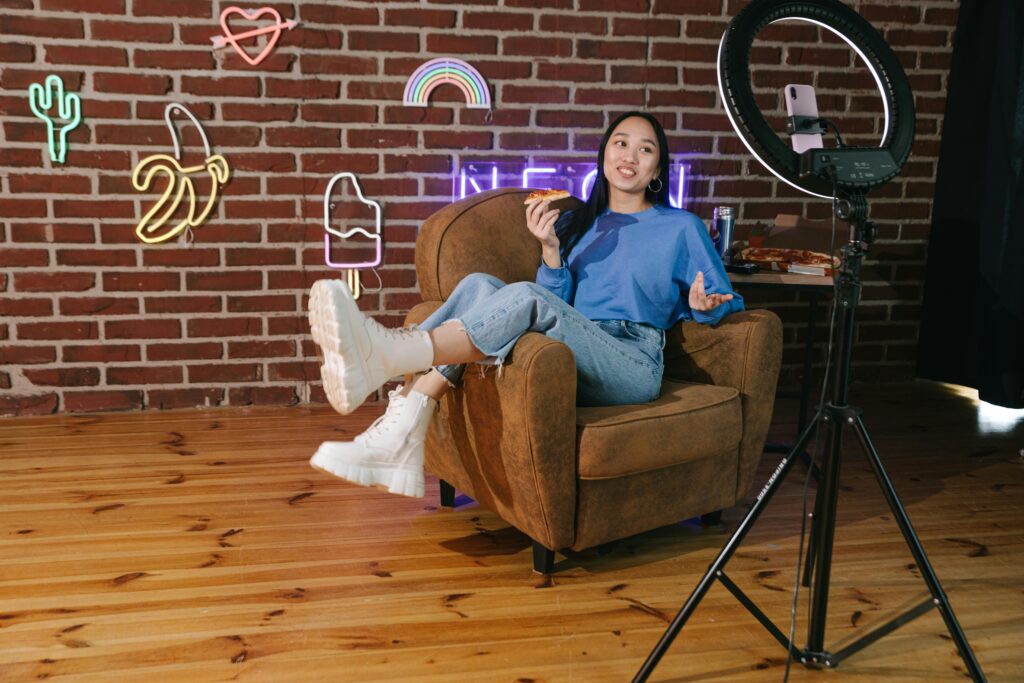
Use influencer discovery tools (like Aspire or Upfluence) to identify creators who align with your brand’s values and audience demographics.
6.2 Vetting Influencers
Analyze engagement rates, audience authenticity, and content tone. Avoid inflated followings—look for genuine community interaction.
6.3 Co-Creation over Control
The best influencer collaborations allow creative freedom. Influencers know how to speak to their audience better than brands do.
6.4 Contracting and Transparency
Ensure compliance with FTC and local advertising disclosure laws. Authenticity builds trust; undisclosed sponsorships destroy it.
7. Measuring Social & Influencer ROI

7.1 Social Media Metrics
Track key indicators such as reach, engagement rate, impressions, and click-throughs.
7.2 Influencer KPIs
Focus on:
- Engagement rate per post.
- Conversion rate via unique affiliate links or codes.
- Sentiment analysis of comments and shares.
7.3 Attribution Modeling
Combine influencer and paid data through UTM tracking to determine which touchpoints drive actual conversions.
8. Paid Amplification: Boosting Organic Momentum

8.1 Paid Social Advertising
Combine influencer-generated content (UGC) with paid distribution for massive reach. Authentic content outperforms studio ads by up to 40%.
8.2 Lookalike and Retargeting Campaigns
Build audiences similar to your engaged followers and retarget those who interacted but didn’t convert.
8.3 Cross-Platform Promotion
Repurpose influencer content across YouTube, TikTok, and Instagram for maximum ROI.
9. Building Community Through Social Media
9.1 User-Generated Content (UGC)
Encourage customers to share their experiences. Reposting authentic stories builds credibility.
9.2 Brand Communities
Host Facebook Groups, Discord servers, or private LinkedIn communities. These deepen loyalty and create micro-ambassadors.
9.3 Social Listening
Monitor conversations about your brand. Tools like Sprout Social or Brandwatch provide real-time sentiment insights.
10. Influencer Marketing Campaign Framework
At AdIQ, we use a data-driven 6-step framework for influencer success:
- Research: Identify target audience and influencer archetypes.
- Outreach: Build authentic partnerships.
- Briefing: Define objectives, content guidelines, and timelines.
- Co-Creation: Collaborate on storytelling and format.
- Distribution: Optimize timing and cross-platform reach.
- Analysis: Measure performance and iterate.
11. Influencer Niches and Emerging Voices
11.1 Nano & Micro-Influencer Power
Smaller creators often deliver higher engagement and ROI per dollar spent.
11.2 Industry-Specific Influencers
- Tech: Reviewers, app testers, product educators.
- Lifestyle: Fashion, fitness, travel, sustainability.
- B2B: Thought leaders and niche professionals on LinkedIn and YouTube.
11.3 AI-Generated Influencers
Virtual creators like Lil Miquela and Aitana Lopez are redefining influence—raising questions of ethics, authenticity, and engagement.
12. Case Study: AdIQ’s Influencer Success Story

A health supplement brand approached AdIQ to amplify its presence among fitness enthusiasts.
Strategy:
- Partnered with 15 micro-influencers on Instagram and TikTok.
- Combined paid boosts with organic storytelling.
- Incorporated educational Reels and live Q&As.
Results in 60 Days:
- 4.2× ROI from influencer-driven sales.
- 27% engagement rate across campaign content.
- 58% increase in organic follower growth.
This campaign demonstrated how authenticity, data, and storytelling unite for measurable success.
13. Social Media Trends Dominating 2025

13.1 Short-Form Video Evolution
Reels, Shorts, and TikToks dominate user attention spans. Brands must master storytelling in under 15 seconds.
13.2 Creator Collaborations
Brands and influencers co-create product lines—turning followers into shareholders of community-driven innovation.
13.3 Social Commerce Integration
The buying journey is now frictionless. From discovery to checkout, everything happens inside the app.
13.4 Authentic Storytelling
The era of overproduced ads is over. Real moments, diverse representation, and emotional honesty win hearts.
14. Common Mistakes in Social and Influencer Marketing
- Partnering with influencers solely based on follower count.
- Failing to define campaign KPIs.
- Overcontrolling creative direction.
- Neglecting disclosure compliance.
- Treating influencer relationships as transactions, not collaborations.
Avoiding these ensures longevity and mutual value.
15. The Future of Social & Influencer Marketing
The next wave of growth lies in community-led brands—where audiences become co-creators.
Expect the following shifts:
- AI-curated content recommendations tailored to each user.
- Metaverse-style immersive campaigns.
- Decentralized influencer networks powered by blockchain transparency.
- A renewed focus on values-driven partnerships.
The future isn’t about reach—it’s about resonance.
Conclusion
Social media and influencer marketing have transformed how brands communicate and build trust. Together, they form a dynamic ecosystem where authenticity, creativity, and analytics converge.
By combining strategic storytelling, genuine creator partnerships, and data-driven amplification, your brand can rise above the noise and become part of your audience’s daily life.
At AdIQ, we specialize in creating high-impact social and influencer strategies that balance creativity with measurable growth. Whether you’re launching a new product or revitalizing brand presence, our team delivers campaigns that inspire action and drive ROI.